

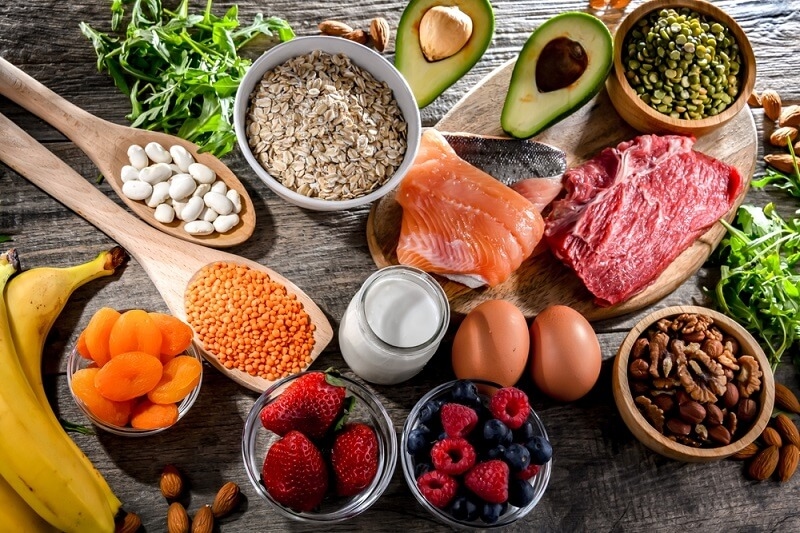
When you start thinking about getting pregnant, it’s natural to have a million questions. Egg health always comes up. Plenty of women want to know if what they put on their plates today can actually make a difference when it comes time to conceive. The talk about “egg quality diets” isn’t just hype—nutrition really does shape your hormones, helps your cells repair themselves, and keeps your reproductive system running smoothly.
Here’s something most people don’t realize: your eggs don’t just pop up out of nowhere each month. They develop over several months before you even ovulate. So, the food you eat day in and day out genuinely matters. Quick fixes don’t cut it. What counts is steady, thoughtful nourishment. This is where food and fertility stop being separate things—they’re completely tied together.
Eggs are cells, and like every cell in your body, they depend on good nutrition—vitamins, minerals, healthy fats, and antioxidants—to grow strong. If your diet falls short, those eggs are more likely to face damage from stress and hormonal ups and downs.
Eating a balanced diet keeps your blood sugar steady, calms inflammation, and helps your ovaries do their job. Most fertility experts will tell you: food isn’t the only factor, but it’s a foundation you can actually control. When women start eating to nourish themselves, they often feel better—more energy, more regular periods, and just a sense that things are working better. That’s why the question “Can diet improve egg quality?” keeps showing up in fertility conversations.
Learn More Here: Pregnancy Fatigue Relief Tips: Energy-Boosting Strategies
People want to know if lifestyle changes matter. The answer: yes, they do. Diet won’t turn back the clock, but it does shape the environment where your eggs mature. Nutrients like folate, omega-3s, iron, and antioxidants help protect eggs and keep cell division on track.
Good nutrition also keeps insulin in check and cools down inflammation, both of which play a part in ovulation. Feed your body well, and it responds by focusing more on reproduction. Over time, this steady care supports healthier ovulation and better chances of conceiving. That’s why experts push for an “egg quality diet” months before you even try to get pregnant.
If you want to support egg health, focus on real, nutrient-rich foods—not calories. Clean proteins help build hormones and repair tissue. Healthy fats—think olive oil, avocados, nuts—are key for cell health and egg development. Micronutrients like zinc, selenium, and vitamin D matter too.
Don’t skip the bright fruits and veggies—they’re full of antioxidants that shield your eggs. Whole grains help you avoid blood sugar swings, and dairy (or fortified alternatives) give you calcium and more vitamin D. Together, these foods make a diet that supports fertility without being restrictive or joyless. It’s about giving your body what it needs, not punishing it.
When people ask for specifics, the answer almost always comes back to the basics: whole, minimally processed foods. The Mediterranean diet gets recommended a lot, and for good reason—it’s packed with veggies, fruits, lean proteins, whole grains, and healthy fats. It’s good for your heart and your fertility at the same time.
Sticking to a routine really pays off. Eat balanced meals on a regular basis, and your hormones fall into line. You’ll notice more energy—simple as that. And don’t forget water. Hydration keeps everything working right. When you make these habits part of your routine, you’re giving your eggs and your reproductive health the best shot.
If you want to boost egg quality, what you eat matters—plain and simple. Try tossing more leafy greens, berries, eggs, fish, nuts, seeds, and legumes into your meals. They’re loaded with antioxidants and healthy fats—just what your cells crave.
On the flip side, cut back on sugar, highly processed stuff, and anything with trans fats. Those can crank up inflammation and throw your hormones off balance. It’s not about making huge changes overnight. Just keep making small, steady tweaks to your routine. That way, you’re more likely to stick with it and feel good about what you’re doing, instead of stressed or overwhelmed.
You May Also Like to Read: Learn First Trimester Nutrition Tips for a Healthy Start
Honestly, you don’t need a complicated meal plan. The trick is to put together meals that mix protein, healthy fats, and complex carbs. For breakfast, think eggs with a pile of veggies and some whole-grain toast. Lunch can be a grain bowl loaded with leafy greens, beans, and a drizzle of olive oil.
Dinner usually means some lean protein—like fish or chicken—with vegetables and whole grains on the side. Stay fueled during the day with snacks like yogurt, fruit, or a handful of nuts. Planning some of this out ahead of time takes a lot of the guesswork out and helps you stick to your goals. Over time, this kind of routine really makes a difference for your fertility and your overall health.
Good nutrition is key, but so are your habits. Things like managing stress, getting enough sleep, and being active help your body use food better. Stress, especially long-term, can mess with your hormones and affect egg growth.
Moving your body—nothing extreme, just regular moderate exercise—helps blood flow better to your reproductive organs. That means nutrients get where they need to go. Ditching cigarettes and not overdoing it with alcohol also supports egg quality. When you put good habits together with smart eating, you’re giving your fertility a real boost. It’s a way to work with your body, not against it.
This isn’t just about getting pregnant. The same foods that help your eggs also support a healthy pregnancy and make recovery after birth a little easier. Good nutrition lays the groundwork for your baby and keeps your own energy up.
Women who start these habits early often find sticking with healthy eating during pregnancy is a lot less overwhelming. Look at this as something that pays off over time. It’s not a one-and-done thing—it’s about creating habits that’ll stick with you and your family for the long haul.
Read Further: Morning Sickness Remedies and Tips for Early Pregnancy
When you pay attention to your nutrition, you really can change your reproductive health. Once you realize what you eat actually affects your eggs, you can start making choices that push you closer to what you want. There’s no miracle diet, that’s true, but taking a balanced approach gives your body a real chance at healthier eggs.
Those everyday choices add up—tiny steps that, over time, lead to lasting benefits for both your fertility and your overall health.
Plan on sticking with an egg quality diet for at least three months before you try to conceive. Eggs need time to mature, so give your body that head start.
Yes, age plays a role, but nutrition still matters. Eating well supports egg development and your overall reproductive health, no matter your age.
It’s pretty similar, but a fertility-focused diet puts more emphasis on nutrients that help with hormone balance and cell health.
Many women get what they need from food, but some might benefit from supplements—just check with your doctor to be sure.
This content was created by AI